
Sink drains might not be the most glamorous part of your bathroom sink, but they are definitely one of the essential bathroom sinks, but they are definitely one of the essential components. Installing a new faucet with a matching sink drain is a minor update that gives your bathroom or kitchen a nice boost. Here’s a step-by-step guide on how to install a drain in a bathroom sink:
Tools and material you will need:
- New bathroom sink kit
- Plumber putty
- Pipe wrench
- Bucket
- Adjustable wrench
- Towel
- P – trap
- Silicone sealant
- Adaptor
Prepare the Sink Area: Place a bucket under the sink to catch any residual water and debris. Remove the old drain, if applicable, by unscrewing the nut holding it in place and detaching the drainpipe.
Remove the Old Drain: loosen the P- trap and use a channel lock pliers to loosen the slip nuts on both sides of the P-trap (the U-shaped pipe beneath the sink). Remove the P – trap and set it aside. Then detach the old drain, unscrew the nut securing the drain flange underneath the sink. Push the old drain assembly upward and out through the sink. Remove any remaining plumber’s putty or silicone from the sink drain hole using a putty knife or rag.
Apply Plumber’s Putty: Take a small amount of plumber’s putty and roll it into a thin rope (about the thickness of a pencil). Apply the putty around the underside of the drain flange the visible metal ring that sits in the sink. If you prefer silicone caulk, apply a bead around the underside instead of putty. Then place the drain flange into the sink drain hole and press down to create a watertight seal.
Secure the Drain Body: From underneath the sink, slide the rubber gasket over the threaded drain body. Tighten the nut by hand first to align the parts. Then use an adjustable wrench to secure the connection. Be careful not to overtighten, it can crack porcelain sinks or deform plastic components.
Install the Stopper: Insert the stopper into the drain opening from above if the drain assembly includes one. Connect the lift rod to the pivot rod underneath the sink using the provided clip or screw. Adjust the stopper so it moves smoothly when the lift rod is used.
Connect the P-Trap: Align the P-trap with the new drain tailpiece and the wall pipe. Slide the slip nuts over the pipe connections and tighten them by hand. Use channel lock pliers to gently secure the nuts without overtightening.
Test for Leaks: The last step is to test the drain for leaks. First check the pipes for leaks. Everything looks good so far so I am going to put it to the ultimate test by filling up the sink all the way and then draining it out. I repeated this process a few times.
Clean Up: Wipe away excess plumber’s putty or silicone around the drain flange using a damp cloth. Ensure all tools and materials are cleaned and stored properly. Check the stopper operation and make final adjustments if needed.
Why Your Bathroom Sink Drain Smells and How to Eliminate Odors
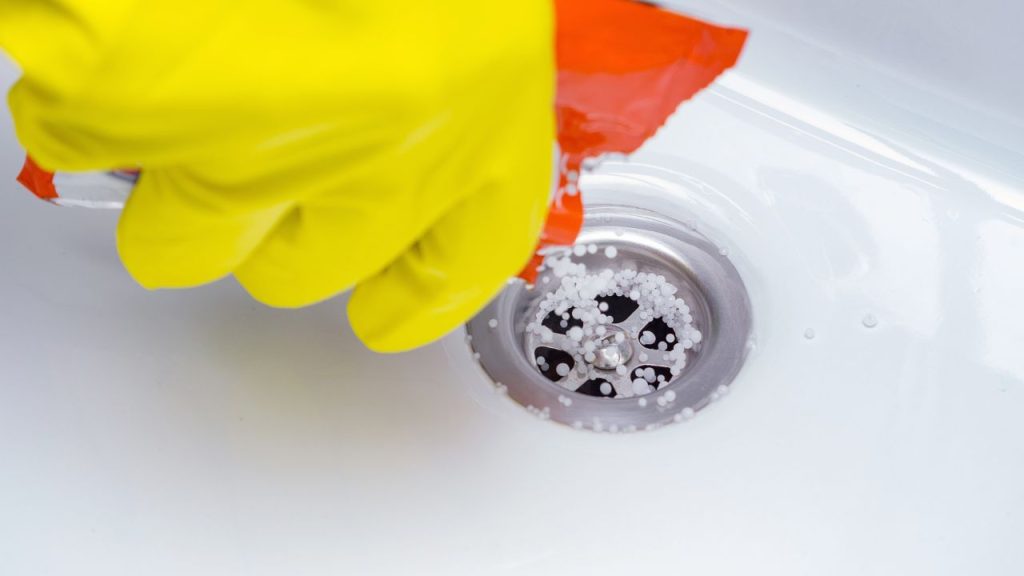
A bathroom sink drain can smell bad for a number of reasons. Unpleasant odors from your bathroom sink drain can be a nuisance, but they are common. Here’s a breakdown of the possible causes and effective solutions to eliminate those odors.
Causes of Bathroom Sink Drain Odors: Here are the causes of bathroom sink drain odors.
Buildup of Debris and Gunk: Bacteria can grow in the drain from grease, fat, food and soap scum. This can cause a smell similar to rotten eggs. Hair, soap scum, toothpaste, and other debris can accumulate in the drain over time. This buildup provides a breeding ground for bacteria, which can produce foul odors.
Dry P-Trap: The P-trap is a U shaped pipe that holds water and prevents sewer gases from entering the bathroom. If the P- trap dries out, sewer smells can seep through. If the P-trap dries out due to infrequent use, odors can seep through.
Clogged or Slow Draining Pipes: A clogged drain can cause a slow drain and a buildup of bacteria in the P-trap. This can create hydrogen sulfide gas, which smells like sulfur. A partial clog can trap organic materials that decay and cause bad smells.
Rotting food: Food that gets stuck in the garbage disposal unit can rot.
Mold or Mildew Growth: A leak in the pipes can cause water to soak wood and other materials, leading to a moldy smell. Excess moisture in and around the sink drain can lead to mold or mildew growth, which often has a musty smell.
Sewer Line Issues: A blockage in the sewer line can cause smelly fumes to leak into the home.If the problem persists despite cleaning, it could indicate a more serious issue, such as a cracked or improperly installed sewer line.
How to Eliminate Bathroom Sink Drain Odors
To eliminate odors from a bathroom sink drain, you can try these methods.
Clean the Drain Thoroughly:Use a drain snake or wire hanger to pull out any visible hair or debris.Boil a pot of water and pour it slowly down the drain to dissolve gunk and soap scum.
Use a Natural Cleaner: Combine ½ cup of baking soda with 1 cup of vinegar. Pour the mixture into the drain and let it sit for 15–30 minutes.Rinse with hot water to flush out any loosened debris.
Disinfect with Bleach or Hydrogen Peroxide: Pour a diluted bleach solution (1 part bleach to 10 parts water) or hydrogen peroxide down the drain to kill bacteria and neutralize odors.
Check and Refill the P-Trap: If the sink still smells after using baking soda and vinegar, there may be something stuck in the P- trap is a U-shaped pipe under the sink that traps debris and prevents clogs. If the P-trap is dry, run water into the sink for a few minutes to refill it. Add a small amount of mineral oil to slow evaporation if the sink isn’t used often.
Clean the Overflow Hole: The overflow hole can collect debris and stagnant water, contributing to bad smells. Use a small brush (like a toothbrush) and a mixture of soap and water to clean it.
Deodorize the Drain: Drop a few ice cubes and slices of lemon into the drain, then run cold water and turn on the garbage disposal. Use drain-deodorizing tablets or enzyme cleaners designed to break down organic waste.
How to Unclog a Bathroom Sink Drain Without Chemicals
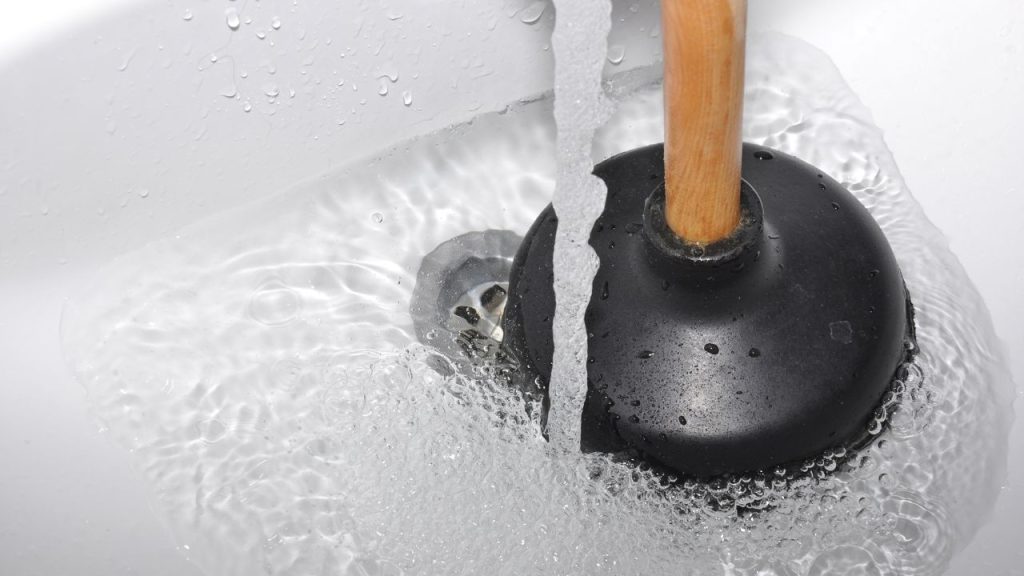
If you’re dealing with a clogged bathroom sink but prefer to avoid harsh chemicals, there are several natural and effective methods you can try. These solutions often use common household items and are gentle on your plumbing. You can unclog a bathroom sink drain without chemicals using baking soda, vinegar, boiling water or plunger.
Boiling Water: Boiling water best for Mild clogs, soap scum, and grease buildup. Hot water helps break down soap, oils, and grease, clearing up minor clogs without damaging pipes. Boil water Slowly pour the hot water down the drain in stages, allowing the water to work through the clog.Let the water sit for a few minutes and then run warm water to flush the drain.
Baking Soda and Vinegar: This is an old method of unclogging drains that has proven to be very effective in bathroom sinks. Simply mix ⅓ cup of baking soda with ⅓ cup of vinegar in a measuring cup. It helps to remove the hair and grime so effectively and grime so effectively. Let it sit for about an hour, then flush it out with hot water.
Plunger: Use a sink plunger specifically designed for drains. Create a seal around the drain opening and plunge vigorously.
Manual Removal: Manual remover is best for hair clogs or large debris. Physically removing the clog is effective, especially for hair and larger particles that can easily be pulled out.
Wet/Dry Vacuum: Wet and dry vacuum is best for Stubborn clogs or waterlogged sinks. The vacuum creates strong suction, which can remove the clog by force. This method works best for clogged sinks with stagnant water.
Plumbing Snake: Plumbing snake is best for deep or stubborn clogs located further down the drain.The snake physically breaks through tough clogs and pulls out the debris that’s causing the blockage.
Air Pressure Tool: Air pressure tool is best for Severe clogs that other methods haven’t solved. The burst of air creates pressure that dislodges the clog, moving it through the pipes.
Best Bathroom Sink Drains for Modern Sinks
When it comes to modern bathroom sinks, selecting the right drain is just as important as the sink itself. Not only do you need a drain that complements the design of your sink, but it should also offer functionality and ease of use. Here are some of the best bathroom sink drains for modern sinks, including stylish options, innovative designs, and practical features:
Pop-Up Drains: Pop-up drains best for sleek, minimalist look with ease of use. Pop-up drains are the go-to choice for modern sinks. They feature a simple mechanism where the drain plug pops up and down with the press of a button, giving your sink a clean and contemporary look. It is easy to use just press down to close and press again to open. It is stylish and easy to operate.
Grid Drains: Gid drains are best for industrial or contemporary sinks with no overflow. A grid drain is a sleek, modern choice that features a grid-like design with a metal cover. It’s perfect for a minimalist or industrial look. The grid design allows water to flow freely, making it ideal for sinks without overflow protection. It is durable and rust resistant.
Push-and-Seal Drains: Push and seal drains are best for effortless operation and stylish design. These drains have a sleek button or lever system, usually in chrome, brushed nickel, or matte black finishes. It is easy to operate and maintain. Prevents water from sitting in the drain, reducing odors and bacteria growth
Brass and Copper Drains: Brass and copper are best for adding a touch of luxury and warmth to a modern bathroom. Brass and copper drains are a great way to add a bit of luxury and warmth to the modern bathroom. They look beautiful against marble, glass, and ceramic surfaces. It has a unique and elegant appearance.
Sensor-Activated Drains: Sensor activated drain is best for high tech modern bathrooms. Sensor-activated drains are highly innovative and often come in sleek, minimalist designs to fit seamlessly with high-tech bathroom themes. It is perfect for savvy bathrooms.
Brass-Style Push-Button Drains: Brass style push button drain is best for a stylish look with modern functionality. These drains combine modern push-button functionality with a vintage brass appearance. Ideal for sinks that need a bit of extra flair. It adds a touch of elegance to a modern bathroom. It is Easy to use and maintain.
Overflow Drain Covers: Overflow drain covers are best for sinks with overflow holes that need to be stylishly protected. These drains include a decorative cover to hide the overflow hole while still allowing water to drain freely. The cover often matches the drain’s finish, creating a seamless look. It enhances the overall aesthetic of the sink look. It keeps the overflow hole clean and functional.
Combination Drain and Stopper Systems: It is best for sleek design with integrated stopper.These systems integrate both the drain and stopper into one sleek, minimalist design. It is great for those seeking a space saving, multi functional design.
Signs Your Bathroom Sink Drain Needs Replacement
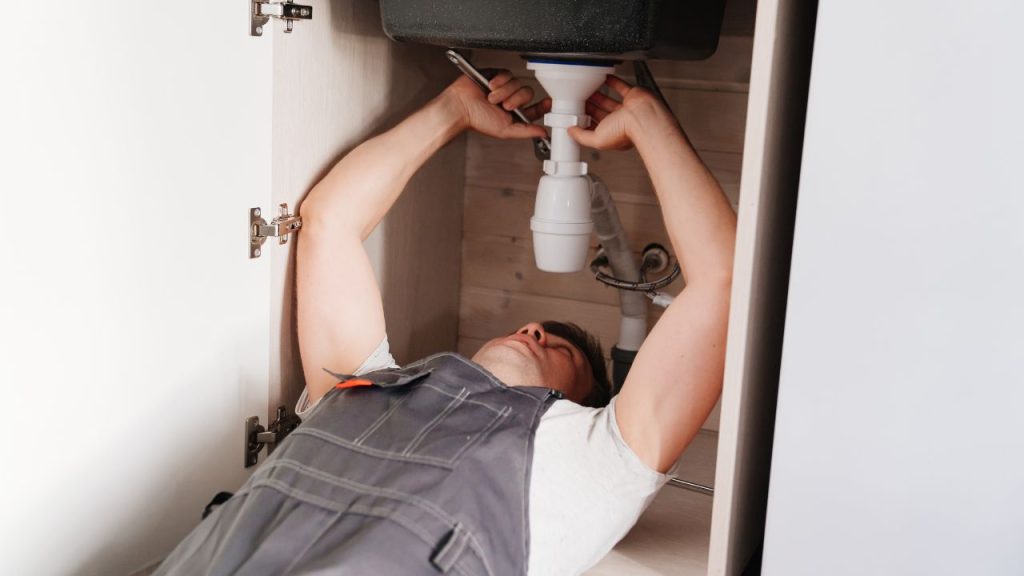
A bathroom sink drain may need replacement if it has a clog, is making strange noises, or is backing up.Over time, your bathroom sink drain can wear down due to use, corrosion, or damage. While some issues can be fixed with cleaning or repairs, others might signal the need for a full replacement. Here are the key signs that your bathroom sink drain needs to be replaced:
Persistent Leaks: Leaks around the drain, if they happen consistently despite lightening the connections, indicate that the seals or the drain itself may be damaged. A leaky drain can cause water damage to your sink’s cabinet and surrounding areas, leading to mold or wood rot over time.
Slow Drainage: A slow drainage sink can be caused by a partial clog, but if the clog persists or reoccurs despite cleaning, it might be a sign of a deteriorating drain or pipes. If the chemical drain cleaners or plugging don’t resolve the issue, consider replacing the drain to ensure proper drainage.
Unpleasant Odors: Foul odors emanating from the drain may indicate trapped debris or standing water. Over time, the drain’s seals or gaskets can degrade, allowing smells to escape. If the odors persist despite efforts to clean the drain, a replacement may be necessary to eliminate odors.
Visible Damage or Corrosion: If the metal parts of the drain are rusted or cracked, the drain may no longer function effectively or could eventually leak. Replace any rusted or corroded parts as they are more prone to future failure.
Frequent Clogging: If you sink frequently clog, and it’s not just due to hair or soap scum, it could be a sign that the drain has been compromised or isn’t adequately sized for your sink. If multiple attempts to fix the clog do not work, it’s time to replace the drain to ensure proper water flow.
Drain Doesn’t Stay Closed or Open Properly: If your sink drain’s stopper is stuck, does not pop up, fails to seal, it can be inconvenient and affect the overall functionality of the sink. Replacing the drain assembly with a new, fully functional unit can solve the problem.
Visible Cracks or Damage in the Drain Assembly: Cracks, holes or chips in the drain assembly are not only unsightly, but they can also lead to leaks and poor drainage. If you see visible damage, replacing the drain is the best option to prevent further issues.
Drain Age and Wear: Overtime, bathroom sink drains wear out due to regular use, exposure to water, and pressure on the pipes. Even with good maintenance, drains can become less efficient or less durable as they age. Older drainer may be more prone to leaks, clogs and corrosion. If your drain is old, it may be time to replace it with a more modern, durable version.
Constant Noise: If you notice whistling or unusual noises coming from the drain, it could indicate air trapped in the plumbing or a serious issue with the drain’s structure. If the noise does not subside after cleaning or cleaning blockages, consider replacing the drain to fix the issue.
For more details about renovation and remodeling visit our website.
FAQ’S:
- Should you use plumbers putty on a sink drain?
Yes, you should use plumber’s putty on a sink drain.
- Can I use silicone instead of plumbers putty?
Yes, you can generally use silicone instead of plumber’s putty.
- Which shape of sink is best?
Usually people prefer rectangular sinks because they are wide enough to keep water from splashing outside the basin and making a mess.
- How to seal a sink drain?
To seal a sink drain, most commonly apply a bead of plumber’s putty around the underside of the drain flange, then carefully place it into the sink hole and tighten the retaining nut.