
Have you also thought about how solar panels can keep up in winter and even at night? It’s a common question that people ask, especially those who are considering switching to the solar energy system such as solar panels. After all, winter means cloudy skies, shorter days and colder weather – hardly ideal weather for something that runs on sunlight. And when the sun sets happen, how could solar panels work then?
In this guide we’ll summarize it all and look how solar panels handle these challenges of winter, shed light on the technology that keeps solar energy applicable year-round. Although solar panels are tougher and smarter than you think. Let’s uncover the truth.
How Do Solar Panels Work in Winter?
Solar panels are designed to produce energy directly from sunlight not from the heat, which directly opposes this myth that solar panels do not produce required energy in winter or not work well during winter months.
Yes, winter days are shorter, but modern panels are designed to absorb every drop of sunlight from limited hours of winter days. Key point is to ensure their correct position directly in front of the sun rays so that your panels will make most of the sunlight.
In fact, solar panels often produce a good amount of energy in cooler temperatures as the excessive heat can reduce the efficiency of their performance. Although winter days might be short, the cold isn’t a problem for your solar panels because the atoms within them slow down their speed, making more space for the electrons to move freely and produce excessive energy.
Does Snow Affect Solar Panels?
A blanket of snow might block the sunlight for solar panels, but they aren’t helpless as solar panels are designed to work at warm temperatures and absorb heat which will definitely melt the snow and slide off the layer than you’d expect.
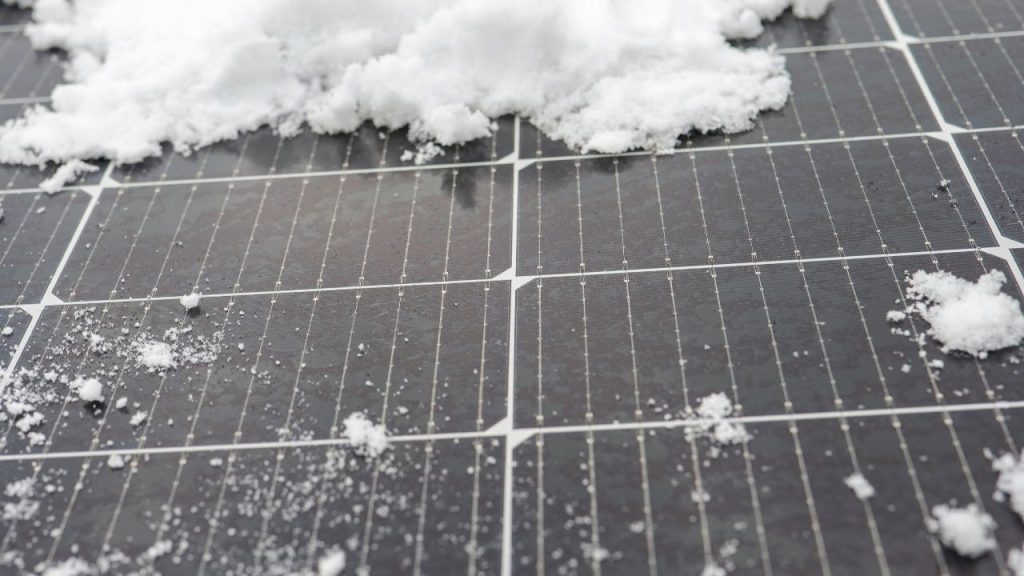
Solar panels are installed with a little tilt, so this sloping position falls off the snow right away. The study shows that the layer of snow only reduces five percent efficiency of solar panels as compared to clear surface, when the layer of snow builds up on the panels and does not fall off immediately.
Tips For Handling Snow:
- Use a soft brush to gently remove snow from the surface.
- Avoid climbing on icy roofs, safety first.
- Also avoid use of harsh tools or brittle shovels on panels.
- Best to melt the snow naturally, especially when the sun is expected to come out soon.
Do Solar Panels Work At Night?
The answer is “no” because solar energy requires sunlight to produce energy that’s why they don’t work at night. But that doesn’t mean you will be left in the dark as many systems come up with a back up plan like batteries or are connected to the grid. This allows panels to store extra energy and use it at night.
These energy storage systems are a game changer for solar panel users as they store extra energy that your panels produce during the day time, so you can power up your home even when the sun isn’t shining without losing artificial electrical energy.
Do Solar Panels Work On Cloudy Days?
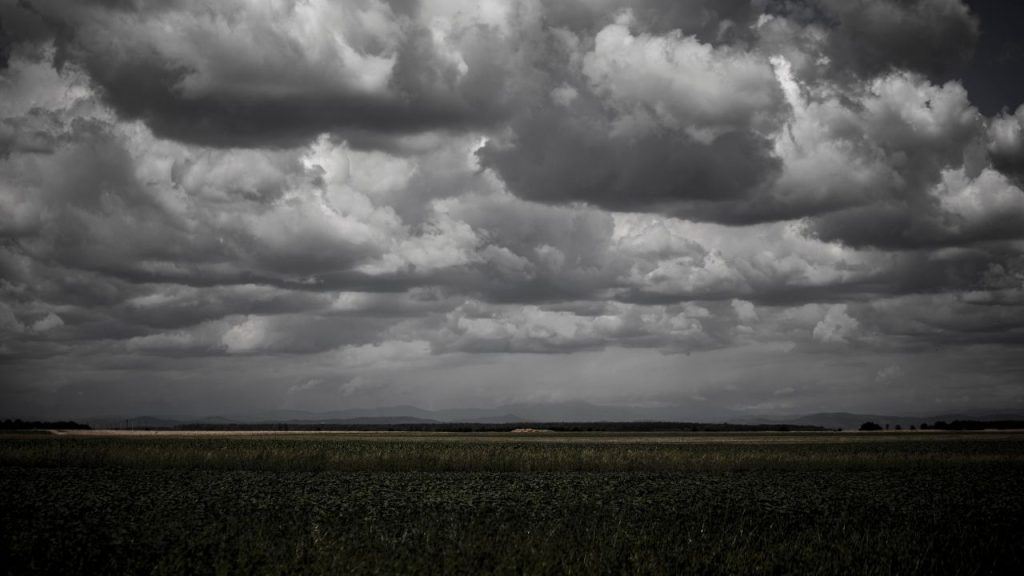
Cloudy days can minimize the solar panels efficiency, but they don’t mean zero power or completely shut down. Solar panels can still function on cloudy days and produce energy through the diffused sunlight that passes through clouds. While the output may be less than on a sunny day, yet your solar’s can still meet your energy needs.
Optimize For Cloudy Days:
- Optimize panels angle and orientation to maximize the energy production.
- Regularly clean your panels from dust, debris or leaves.
- Choose high efficiency panels designed for low light conditions.
Winter Solar Panel Hacks To Improve Performance:
- Clean your panels regularly from dust, snow or debris to boost their performance efficiency.
- Make sure to optimize proper angle and orientation of your panels to maximize their use of sunlight.
- Inspect your panels monthly for cracks or dirt.
- Check your batteries are fully charged during the day. Also check their health annually.
- Monitor your energy’s output via your system’s app or voltage.
Final Thoughts:
Solar panels aren’t just for summer they are designed to be performed in all four seasons. Snow, night and cloudy skies are challenging for their efficiency but with smart installation and proper storage systems for extra energy production, keep your lights on even at night. By understanding solar panels chemistry in different weather conditions and taking necessary steps to increase their performance, you can make the most of your solar investments. Contact Prep-N-Reno to learn more about solar panels and their installations.