
Renovation is an exciting and interesting process, whether you’re renovating a whole house into your dreamy space or just kitchen and bathroom, but it can also feel overwhelming when you get into details and irritating when the deadline crosses. That’s why it is very important to plan your renovation or remodeling and budget timeline before hiring a contractor, so that your project stays on track and you may not face unexpected delays and stress.
Why Is A Home Renovation Timeline Crucial?
Before diving into the procedure of how to plan a home renovation timeline, it is necessary to understand its essentials and importance.
Benefits of Planning your Outline Ahead:
A well-organized timeline and proper renovation planning minimizes the risk of potential delays making it easier for you to discuss all your requirements and ideas with your contractor before starting your home remodeling, it helps you to maintain your budget cost by reducing the risk of last-minute purchases.
Better Project Management:
Timeline also plays an essential part in better decision making according to your budget, deadlines and also provide clarity on the scope of your expectations which ensures that you and your contractor stay on the same track. With the complete timeline your home renovation process will run smoothly and tension-free as you already give your designs or tasks to your contractor.
Key Steps For How To Prepare And Plan A Home Renovations Timeline!
Creating a timeline for your home renovation helps to know what exactly will remodel or renovate and what can occur during the whole procedure reduce the frustration or unplanned tasks.
Define Your End Goals And Make A Detail Plan:
Organizing a proper plan to clearly define the goals you want is crucial especially when you’re renovating with no experience or first time. For example: Are you renovating for improving functionality, transforming your home into dreamy space or increasing property value for selling purposes, helping your contractor to understand your demands and desires.
Now after finding the end goal of your project, create a detailed design or plan by sketching, online tools or hire an interior designer for the to-do lists like what you need to renovate or not in your home. If you’re hiring a contractor for everything then make a rough plan of what you want and give the estimate to your contractor when you want to start and when you need to complete your renovation. And if you want to do some DIY projects on your own, then also make a plan of all those things and work you do it by yourself. However you must develop a more accurate timeline and plan with your contractor for better results.
Tips: Focusing on your end goals and complete plan of wanted designs will help you to maintain your project’s deadlines, requirements, needs and budget. When your goals are clear and have a plan for demanded designs, it is easier for you to make a realistic and detailed timeline for your project.
Learning About The permits:
Start investigating your building codes, because in many areas some parts of houses require only professionals to handle that part for renovation. Inspect your local codes carefully and make sure your neighbours allow you to do your specific remodel. After all that, find out if you need a permit from your local officials, as many localities do not allow you to change the structure of a house without a permit. If you hire a contractor, they’ll handle all the things to hold a permit for you on their own, based on your location or city.
But if you do some small DIY projects on your own, you’ll control all the arrangements like application, inspection and finalizing permits from officials independently. Keep in mind that permits may take weeks or a month to be approved, it depends on where you’re living.
Set A Realistic Budget:
Determining your budget significantly affects how long your renovation will take place. First you should know which room you want to leave as it is or do it yourself, and which room you want to renovate so that at the end of the timeline, you have an overview of how much you can spend on your home transformation.
Your home renovation budget should include the cost of labor (contractor), renovating material (wall painting or wallpaper, flooring, windows, carpentry, exterior work) and last final touches such as furniture and home appliances etc.
Usually the total estimate or budget cost of home renovation may vary depending on the location or size of the project, quality of materials you used, and scope of your renovations. However an average cost of home renovation can vary between $100,000 to $189,000, but it might be decreased or increased on the above factors.
Tips: Make sure to save some money for sudden purchase or need of at least 10-15% of the total cost to cover unpredicted expenses during your home renovating journey.
Hiring A Contractor:
Once you’ve finalized your plan and budget, it’s time to hire a contractor for your home transformation. Start finding recommended contractors from your friends and family, get multiple quotes from different contractors, inspect how they communicate with you and do they contact you immediately or not?
Make sure to not choose your contractors based on cost estimates only, check their years of experience, certificate of insurance, contracting license, reviews on their site or any good reference, because a good contractor can make your experience the best one or unpleasant by their work. Some contractors arrange subcontractors such as plumbers, electricians and structural carpenters as their own to give tension free environments to their clients.
Tips: Insure to reach contractors early as some contractors may have wait lists of up to 2 months or more, and they provide you a detailed renovation timeline with specific milestones.
Break the Renovation Into Phases:
A successful renovation timeline is built when the project breaks into various phases, it helps to ensure that everything is done properly and each stage takes effective time and labor. For Example:
- Start your renovation with plumbing, electrician and HVAC (duct installation company) as these installations must be done initially, when the walls and ceilings are open.
- If you need to build or break any specific room or space then the second stage is going to be carpentry. Ready for some potential delays in this stage as some structural issues may arise.
- Next stage is for windows installation or repairing, but if your windows have small repairs then leave them for last weeks or DIY projects if you can.
- Paint or wallpaper is going to be the next stage as this needs to be done before floor covering. Many homeowners manage this phase on their own so it should be the last item to be done.
- After all structural construction is done then start your flooring installation, this stage should be one of the last to protect your flooring from damage or paint stains.
- Exterior renovation like roofing, driveways, installing new gutters etc is done together with interior work to reduce delay in deadlines.
- Once your appliances and fixtures are installed then start decorating your home internally or externally and inspect some final touch to do.
- After all things are done now do your DIY projects you were leaving before for last weeks.
Tips: Start the stage with home needs like the first stage then move onto large projects, schedule smaller projects towards the end, and save finishing touches for the last weeks.
Final Inspection And Quality Control:
Before moving into your renovated home, always inspect minor or severe damage, check for last-minute adjustments or fixes that need to be done, conduct quality control tests, and if your budget is under control then you should call quality check inspectors for the better results or can you do it on your own but with complete guidelines. Professional contractors like Prep-N-Reno who always stand with the quality of their work and offer warranty on all of their services to give satisfied, excellent experience and results to their customers, that’s why they have 71+ happy customers because of their warranty for a long lasting and trustworthy outcome.
Managing Renovation Delays:
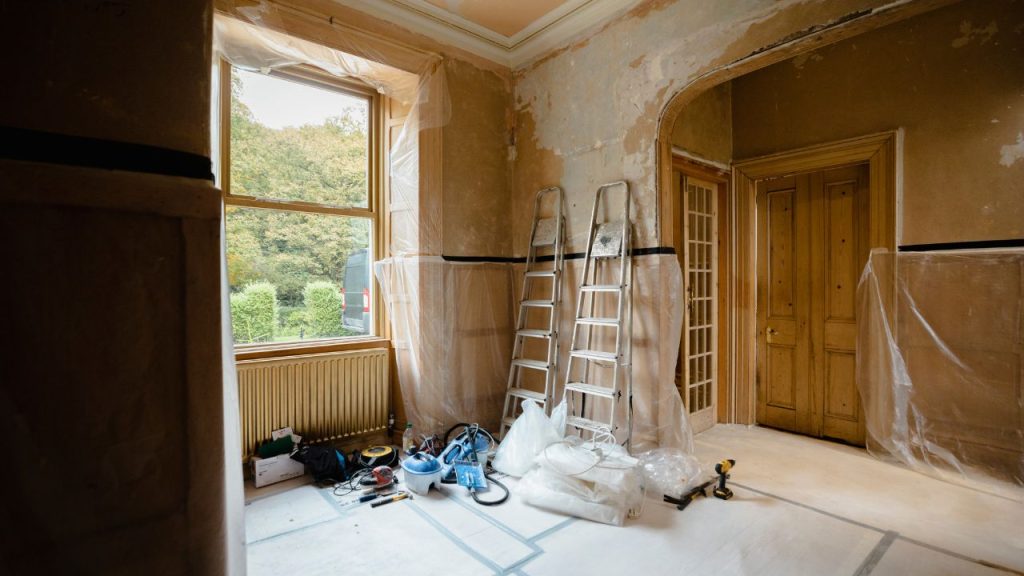
Even with the perfect structured timeline you can still face delays in your renovation. The main thing is you should be ready for unexpected delays early before renovation begins. Sometimes you may need to adjust your timeline according to delays, whenever you will renovate your home you may face these problems during your home makeover journey, don’t get stressed there’s always a solution for every problem, ask with your contractors about the issues as they have as years of experience and they know how to handle and solve the unexpected delays. With proper planning, guidelines and flexibility in timeline, you can easily tackle all these delays.
Common Causes Of Delays:
There are several distinct causes of delays in different homes and locations, but some of these are the most common causes which definitely every homeowner faces during their home remodeling period. Some of them are mentioned below.
- Foundation crack, which is the most expensive and large problem for homeowners, calls professionals to solve it.
- Permit issues, based on the location you might face this issue like a few weeks or a month delay in permit approvals because of inspection and verifying methods from the team.
- Supply shortage is also a big cause of unpredicted delays in renovation, to cover up this you should talk early with material suppliers to send everything on time.
- Water damage, sometimes contractors handle this issue on their own, but it may hold on ongoing work for some days to solve this issue as continuous leakage or breakage can become a large problem after some time.
- Outdated electrical wiring, old wiring can cause severe issues in the home after a while, when you will not give proper attention to it because advanced appliances can not handle outdated wiring as they also need advanced wiring solutions.
Strategies To Stay on Track:
To ensure that your timeline stays on track, maintain constant communication with your contractor and monitor your home progress on daily bases to make sure proper work and use project management tools to check how many phases or work is done or need to be done to avoid any unnecessary waiting period.
Conclusion:
A thoughtfully planned timeline is the first step towards a successful home renovation. You can make sure that your renovation runs smoothly and planned by dividing your project into manageable tasks, setting clear goals, and being prepared for unexpected delays. Remember, flexibility is key to success in large projects like home renovation but with a structured approach, you’ll achieve your dream home without unnecessary stress. Do some DIYer projects like painting or drywall insulation, windows repairing and replacement etc to stay on budget and save money for unforeseen problems or issues. Delays may appear because of some structural or underlying problems. It is better to solve them initially to protect you from big investments and disasters.
Feel free to ask any question regarding this blog outline from us in the comment section.